Not every renovation pays for itself. Some upgrades genuinely increase a property's resale price or achievable rent well beyond their cost — others look impressive but add little real value, or even actively narrow the pool of interested buyers or tenants. Knowing the difference before spending significant money on renovations can meaningfully affect your return, whether you're preparing to sell, planning to rent, or simply investing in your own home with resale value in mind.
High-Value Renovations Worth Prioritizing
1. Kitchen Updates
The kitchen consistently ranks among the highest-return renovation areas, since it's one of the first things buyers and tenants evaluate. Full kitchen overhauls aren't always necessary — updated countertops, modern cabinet fronts, and improved lighting can transform a dated kitchen's feel without the cost of a complete rebuild.
2. Bathroom Improvements
Similarly high-impact, bathroom updates — modern fixtures, updated tiling, improved lighting, and fixing any water pressure or plumbing issues — meaningfully influence how buyers and tenants judge a property's overall condition and care.
3. Improving Water Reliability
Given how common water supply challenges are in parts of Nairobi and surrounding areas, adding or upgrading a borehole, water storage tank, or backup water system can be a genuinely compelling selling or renting point — sometimes disproportionately valuable relative to its cost, given how much buyers and tenants weigh this specific concern.
4. Backup Power Solutions
Similarly, adding a standby generator or backup power system addresses a common, practical concern for buyers and tenants alike, and can differentiate a property meaningfully from otherwise comparable options lacking this feature.
5. Fresh Paint, Inside and Out
One of the most cost-effective upgrades available — a fresh, neutral paint job dramatically improves a property's perceived condition and can make a genuinely dated space feel significantly more modern, all for a relatively modest cost compared to structural renovations.
6. Improved Security Features
Upgraded gates, perimeter walls, CCTV systems, and secure entry points are increasingly valued by both buyers and tenants, particularly in urban areas — and can be a meaningful differentiator in a competitive rental or resale market.
7. Flooring Upgrades
Replacing worn, dated flooring — particularly in high-traffic areas — noticeably improves a property's overall impression, often disproportionately to its actual cost, since flooring condition strongly shapes first impressions during viewings.
8. Improved Curb Appeal
For standalone houses, simple exterior improvements — a well-maintained gate, tidy landscaping, a fresh exterior paint job — meaningfully affect first impressions and can influence a buyer or tenant's overall perception before they've even seen the interior.
9. Adding a Functional Extra Room (Where Feasible)
Converting underused space into a functional extra bedroom, home office, or DSQ (where structurally and legally feasible) can meaningfully increase both resale value and achievable rent, particularly in family-oriented neighbourhoods where space commands a premium.
Renovations That Often Don't Pay Off
1. Overly Personalized or Trend-Specific Design Choices
Highly specific design choices — bold, unusual color schemes, very trend-specific finishes — can actually narrow your buyer or tenant pool rather than expand it, since not everyone shares the same taste. Neutral, broadly appealing choices tend to perform better financially, even if they feel less exciting personally.
2. High-End Luxury Finishes in a Mid-Range Property
Installing premium, high-cost finishes in a property that doesn't otherwise match that price bracket rarely recoups the investment — buyers and tenants generally evaluate a property relative to its neighbourhood and overall market position, not a single standout feature.
3. Swimming Pools (In Many Contexts)
While appealing, pools carry significant installation and ongoing maintenance costs that don't always translate into a proportional increase in resale value or rent, particularly outside of premium suburbs where a pool is already a standard market expectation.
4. Over-Customized Built-Ins
Highly specific built-in furniture or storage solutions tailored to one person's exact needs can feel restrictive or oddly specific to other potential buyers or tenants, reducing rather than adding appeal.
5. Unnecessary Structural Changes
Significant structural alterations — removing load-bearing walls, major layout changes — are expensive, often require permits and professional oversight, and don't always deliver a proportional increase in value relative to their cost and complexity.
How to Prioritize Renovation Spending
- Start with what affects first impressions most — paint, flooring, and general tidiness typically deliver the best return relative to cost
- Address functional problems before cosmetic ones — water reliability, plumbing issues, and structural concerns matter more to serious buyers and tenants than aesthetic upgrades
- Match renovation quality to the property's overall price bracket — over-investing relative to the neighbourhood rarely pays back proportionally
- Choose broadly appealing, neutral finishes over highly personalized design choices if resale or rental value is the primary goal
- Get a professional opinion before major renovations, particularly for structural changes, to confirm the investment aligns with realistic value increase
Renovating for Resale vs Renovating for Rental Income
The calculus differs slightly depending on your goal. For resale, broadly appealing, move-in-ready presentation tends to matter most — buyers want to picture themselves in the space without needing to invest further. For rental income, durability and low-maintenance finishes often matter more than aesthetic polish, since rental properties experience more wear and tear from tenant turnover, and choosing hard-wearing materials reduces your ongoing maintenance costs over the life of the tenancy.
Get a Realistic Value Assessment Before Renovating
Before committing significant money to renovations, it's worth getting a realistic sense of comparable properties in your specific area and price bracket — spending on upgrades that exceed what the local market actually rewards is one of the most common ways renovation budgets fail to pay off.
List or Rent Your Renovated Property with Masion
Once your renovations are complete, showcasing them to the right buyers or tenants matters just as much as the work itself. At Masion, we help property owners list renovated properties with strong presentation, connecting you with serious buyers and tenants across Kenya.
List your property or browse listings at masion.co.ke.
FAQs
1. Which renovation typically has the best return on investment? Kitchen and bathroom updates consistently rank among the highest-return renovations, since they're among the first things buyers and tenants evaluate when assessing a property's overall condition.
2. Is it worth adding a borehole or water storage system before selling? Often, yes — given how common water reliability concerns are in parts of Nairobi and surrounding areas, this upgrade can be disproportionately valuable relative to its cost, addressing a genuine, common buyer and tenant concern.
3. Should I install a swimming pool to increase my property's value? Generally not recommended purely for value purposes outside of premium suburbs where pools are already a standard market expectation — installation and maintenance costs don't always translate into a proportional increase in resale value or rent.
4. Should I choose bold, trendy design choices or neutral finishes when renovating to sell? Neutral, broadly appealing finishes generally perform better financially, since highly specific or trend-driven design choices can narrow your pool of interested buyers or tenants rather than expand it.
5. Does renovating for rental income require different choices than renovating to sell? Yes — rental-focused renovations often benefit from prioritizing durability and low-maintenance finishes over pure aesthetic polish, given the additional wear and tear from tenant turnover, while resale-focused renovations lean more toward broad aesthetic appeal.
6. How do I know if I'm over-investing in a renovation relative to my property's value? Compare your planned renovation quality and cost against similar properties in your specific neighbourhood and price bracket — investing significantly beyond what the local market rewards rarely recoups its full cost.
Related posts:
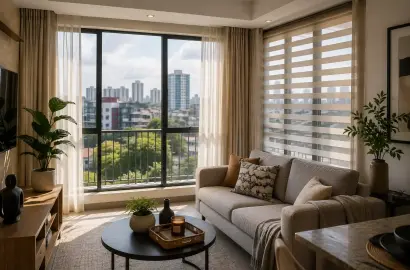
Natural light transforms how an apartment feels — brighter, more spacious, more energizing to live in. But in Nairobi's increasingly dense apartment buildings, where units often face neighbouring buildings, busy streets, or shared compounds at close range, maximizing light without...
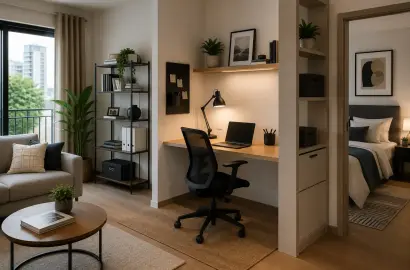
Remote and hybrid work have made a dedicated workspace a genuine necessity for many renters — but a one-bedroom apartment rarely comes with a spare room to convert into an office. The good news: with the right approach, you can...
 Ngong and Ongata Rongai: Nairobi's Southwestern Growth Corridor
  Gated Community Living: Is the Premium Worth It?
  Buying Property Through a SACCO: How It Works
  How to Handle a Dispute With Your Landlord or Tenant
  Kitengela: Why It's Attracting First-Time Buyers
Comments
0 approved commentsNo approved comments yet. Be the first to comment.