Even in a well-functioning tenancy, disagreements happen — a delayed repair, a disputed deposit deduction, a disagreement over a rent increase. Most of these disputes are resolvable without escalating into a serious legal battle, provided both parties approach the situation calmly and follow a sensible process. Here's a practical guide to handling a dispute, whether you're the landlord or the tenant.
Common Sources of Landlord-Tenant Disputes
- Deposit deductions the tenant believes are unfair or undocumented
- Delayed or refused repairs for issues the tenant believes are the landlord's responsibility
- Rent increases the tenant considers excessive or improperly notified
- Notice periods for termination or eviction that either party believes weren't properly followed
- Property damage disputes over whether it constitutes normal wear and tear or tenant-caused damage
- Noise, behavior, or lease violation complaints from either the landlord or neighbouring tenants
Step 1: Review the Tenancy Agreement First
Before anything else, both parties should carefully review the written tenancy agreement (where one exists) for relevant terms — notice periods, deposit conditions, maintenance responsibilities, and any specific dispute resolution process it outlines. Many disputes are actually clarified simply by re-reading what was originally agreed, rather than relying on memory or assumption.
Step 2: Communicate Directly and Calmly First
The majority of disputes are best resolved through direct, calm conversation before escalating to anything formal. A brief, professional conversation — in person, by phone, or in writing — addressing the specific concern clearly and without hostility often resolves the issue faster and with less damage to the relationship than an immediate escalation to formal channels.
Step 3: Put Your Concern in Writing
If a verbal conversation doesn't resolve the issue, or if the matter is significant enough to warrant documentation, follow up with a clear, professional written communication (email or letter) outlining the specific concern, any relevant lease terms, and what resolution you're seeking. This creates a documented record that becomes important if the dispute escalates further.
Step 4: Document Everything
Throughout any dispute, keep thorough records: photos (particularly relevant for damage or maintenance disputes), written communication, payment records, and copies of the tenancy agreement. This documentation is invaluable if the dispute requires formal resolution, and its absence can significantly weaken either party's position later.
Step 5: Understand Your Formal Options If Direct Resolution Fails
If direct communication doesn't resolve the dispute, several formal avenues may be available depending on the nature and value of the dispute:
- The Rent Tribunal, which handles certain categories of rent-related disputes, particularly for tenancies falling under the Rent Restriction Act
- Small claims processes, potentially applicable for lower-value monetary disputes like deposit disagreements
- Mediation, a less formal, often faster process where a neutral third party helps both sides reach an agreement
- Formal legal action, generally reserved for more serious or higher-value disputes where other avenues haven't resolved the matter
Which option is appropriate depends heavily on the specific nature and value of the dispute — consulting a lawyer for guidance on the most suitable path is worthwhile for anything beyond a straightforward disagreement.
Specific Guidance: Deposit Disputes
Deposit disputes are among the most common landlord-tenant conflicts. To handle these well:
- Tenants should request an itemized written explanation of any deductions, and compare this against move-in condition documentation (photos taken at the start of the tenancy are invaluable here)
- Landlords should ensure any deductions are clearly documented and genuinely reflect damage beyond normal wear and tear, rather than routine refurbishment costs that shouldn't be charged to the departing tenant
- Both parties benefit from a documented move-in and move-out condition report, ideally with photos, to reduce ambiguity when the tenancy eventually ends
Specific Guidance: Repair and Maintenance Disputes
- Tenants should report issues in writing, keep a clear record of when the request was made, and follow up if there's no response within a reasonable timeframe
- Landlords should respond to legitimate maintenance requests promptly and document any repairs made, both for their own records and to demonstrate responsiveness if a dispute arises later
- If a genuine safety or habitability issue is being ignored, tenants should understand this may eventually warrant more formal action, but should generally exhaust direct communication first
Specific Guidance: Rent Increase Disputes
- Review the tenancy agreement for any specific terms governing rent increase notice periods or limits
- If an increase seems inconsistent with the agreement or with reasonable market rates, raise this directly and specifically, referencing comparable properties if relevant
- Understand that landlords generally do have the right to increase rent with proper notice, even if a tenant disagrees with the amount — the dispute here is usually about process and reasonableness, not whether an increase can happen at all
Tips for Keeping Disputes From Escalating Unnecessarily
- Stay professional, even when frustrated — heated exchanges tend to harden positions rather than resolve issues
- Focus on the specific issue, rather than bringing in unrelated grievances that muddy the actual dispute
- Be willing to compromise where reasonable, particularly for disputes that don't have a clear-cut right or wrong answer
- Know when to involve a professional — a lawyer, mediator, or the Rent Tribunal — rather than letting an unresolved dispute drag on indefinitely
Preventing Disputes Before They Start
Many disputes are ultimately preventable through good practice from the outset:
- A clear, comprehensive written tenancy agreement covering the specifics that most commonly cause disputes
- A documented move-in condition report with photos
- Clear, prompt communication throughout the tenancy, rather than letting small issues accumulate unaddressed
- Understanding your rights and obligations from the start — see our guide on what landlords in Kenya are legally required to provide for a fuller picture of the baseline expectations on both sides
Find Well-Managed Rentals Through Masion
A good tenancy relationship starts with clear expectations and transparent communication from day one. At Masion, we list verified rental properties across Kenya and connect tenants with landlords and property managers committed to fair, professional practices.
Browse verified rental listings at masion.co.ke.
This article is for general informational purposes and does not constitute legal advice. Always consult a licensed advocate for guidance specific to your dispute.
FAQs
1. What should I do first if I have a dispute with my landlord or tenant? Start by reviewing the tenancy agreement for relevant terms, then attempt direct, calm communication before escalating — most disputes are resolvable this way without needing formal intervention.
2. What documentation should I keep during a dispute? Photos (particularly for damage or maintenance issues), written communication, payment records, and a copy of the tenancy agreement — thorough documentation is invaluable if the dispute requires formal resolution.
3. Where can I take a rent dispute if direct communication doesn't work? Depending on the nature and value of the dispute, options may include the Rent Tribunal, small claims processes, mediation, or formal legal action — consulting a lawyer helps identify the most suitable path for your specific situation.
4. How can I avoid a deposit dispute at the end of my tenancy? A documented move-in condition report with photos, kept by both parties, significantly reduces ambiguity and disagreement when the tenancy ends and deposit deductions (if any) are being determined.
5. Can a landlord increase rent without any limit? Generally, landlords can increase rent with proper notice, though the specific terms should be reviewed in the tenancy agreement — disputes here usually center on process and reasonableness rather than whether an increase can happen at all.
6. Is mediation a good option for landlord-tenant disputes? Yes, often — mediation is typically faster and less costly than formal legal action, using a neutral third party to help both sides reach an agreement, making it a reasonable middle step between direct communication and formal legal channels.
Related posts:

Subletting — renting out all or part of a property you're already renting to someone else — is common in Kenya, particularly among tenants traveling for extended periods, sharing costs with a roommate, or renting out a spare room. But...
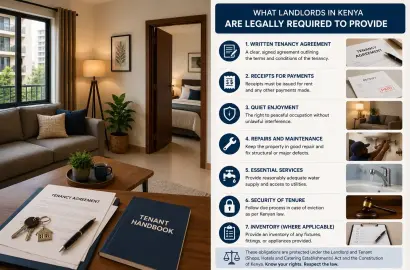
Many tenants in Kenya aren't entirely sure what their landlord is actually legally obligated to provide — and that uncertainty can lead to accepting substandard conditions, unreasonable rent increases, or improper eviction attempts without realizing there's recourse. Understanding the baseline...
 Ngong and Ongata Rongai: Nairobi's Southwestern Growth Corridor
  Gated Community Living: Is the Premium Worth It?
  Buying Property Through a SACCO: How It Works
  How to Handle a Dispute With Your Landlord or Tenant
  Kitengela: Why It's Attracting First-Time Buyers
Comments
0 approved commentsNo approved comments yet. Be the first to comment.