Natural light transforms how an apartment feels — brighter, more spacious, more energizing to live in. But in Nairobi's increasingly dense apartment buildings, where units often face neighbouring buildings, busy streets, or shared compounds at close range, maximizing light without sacrificing privacy is a genuine design challenge. Here's how to strike that balance well.
Why This Balance Matters
Blocking out light entirely with heavy curtains solves the privacy problem but leaves a space feeling dark and closed off. Leaving windows fully uncovered maximizes light but can leave residents feeling exposed, particularly in ground-floor units or buildings with close neighbouring structures. The goal is finding solutions that let in as much light as possible while still providing genuine privacy where it's needed.
1. Layer Your Window Treatments
Rather than choosing one type of window covering, layering multiple options gives you flexibility throughout the day:
- Sheer curtains as a base layer — these let light filter through softly while obscuring direct visibility from outside, especially effective during daytime hours
- Heavier curtains or blackout options layered behind sheers, drawn only when full privacy or darkness is needed (evenings, sleeping)
- This combination lets you adjust throughout the day — sheers alone during daylight hours, heavier coverage added as needed in the evening
2. Use Frosted or Privacy Window Film
For windows facing directly into a neighbouring building or a particularly exposed angle, frosted privacy film is a renter-friendly, removable solution that lets light pass through while obscuring clear visibility — without blocking the window entirely or requiring permanent alteration.
3. Position Furniture Strategically
Simple furniture placement can reduce the need for heavy window coverings — positioning a bed or seating area slightly out of direct sightline from a window, rather than immediately in front of it, naturally reduces exposure without sacrificing the window's light.
4. Choose the Right Type of Blinds
Certain blind types offer particularly good light-and-privacy balance:
- Top-down, bottom-up blinds let you cover the lower portion of a window (blocking direct sightlines from outside at eye level) while leaving the top open for light
- Adjustable slat blinds (venetian or vertical) let you control the angle of light entry while maintaining privacy, adjustable throughout the day as the sun's position changes
5. Use Reflective Surfaces to Spread Light Further Into the Room
Mirrors and light-colored, reflective surfaces help bounce available natural light deeper into a room — meaning you don't need windows fully uncovered to achieve a bright feel, since the light that does enter is used more effectively.
6. Consider Window Placement When Apartment-Hunting
If privacy and light are both genuine priorities, it's worth factoring window orientation and exposure into your apartment search itself — a unit with windows facing a garden, courtyard, or open space offers a fundamentally easier light-privacy balance than one facing directly into a neighbouring building's windows at close range.
7. Use Plants as a Natural, Living Privacy Layer
Tall, leafy plants positioned near windows soften direct sightlines while still allowing filtered light through — a decorative solution that adds greenery and warmth to a space while contributing genuine privacy benefit.
8. Balcony and Ground-Floor Specific Solutions
For ground-floor units or apartments with balconies facing shared compounds, additional privacy screening — bamboo or reed screening, tall potted plants, or a privacy trellis — can create a more private outdoor space without blocking the connection to natural light and air entirely.
9. Time-of-Day Zoning
Different rooms have different privacy needs at different times — a living room might prioritize openness and light during the day when you're active and visible anyway, while a bedroom might prioritize privacy control more heavily given its more personal use. Treating each room's window strategy according to its actual use, rather than applying one blanket approach throughout the apartment, often produces better results.
10. Don't Overlook Skylights or Interior Windows (Where Present)
Some apartment layouts include skylights or interior windows (opening onto a hallway or stairwell rather than directly outside) — these can be excellent sources of light without any privacy tradeoff at all, since they don't face directly toward other units or public space.
A Practical Starting Combination
For most Nairobi apartments, a genuinely effective, renter-friendly combination is: sheer curtains as a daytime base layer, heavier curtains for evening privacy, frosted film on any particularly exposed windows, and strategic furniture placement — together addressing the light-privacy balance without any permanent changes that would violate a standard lease.
Find an Apartment With the Right Light and Privacy Balance
The easiest way to solve this challenge is often choosing the right apartment from the start — window orientation, floor level, and surrounding buildings all affect how much work you'll need to do to balance light and privacy. At Masion, we list verified rental apartments across Nairobi with detailed listing information to help you evaluate this before committing.
Browse rental listings at masion.co.ke.
FAQs
1. What's the best window treatment for balancing light and privacy? Layering sheer curtains (for daytime light with soft privacy) with heavier curtains or blinds (for evening or full privacy) gives the most flexibility, letting you adjust based on time of day and specific privacy needs.
2. Is frosted window film a good option for renters? Yes — quality removable frosted or privacy film can typically be applied and removed without damaging the window, making it a renter-friendly way to add privacy to specific, exposed windows without blocking light entirely.
3. How can I make a dark apartment feel brighter without removing window coverings? Reflective surfaces and mirrors help bounce available natural light deeper into a room, while light-colored walls and furnishings also help a space feel brighter even with some window coverings in place.
4. Should every room in an apartment use the same window treatment approach? Not necessarily — different rooms often have different privacy needs (a bedroom typically needs more privacy control than a living room), so tailoring the approach room by room often produces better results than one uniform solution throughout.
5. Can plants really help with apartment privacy? Yes, to a meaningful degree — tall, leafy plants positioned near windows soften direct sightlines from outside while still allowing filtered light through, offering a decorative, natural privacy layer.
6. What should I look for when apartment-hunting if light and privacy both matter to me? Pay attention to window orientation and what they directly face — units with windows facing gardens, courtyards, or open space offer an inherently easier light-privacy balance than units facing directly into a neighbouring building at close range.
Related posts:

Not every renovation pays for itself. Some upgrades genuinely increase a property's resale price or achievable rent well beyond their cost — others look impressive but add little real value, or even actively narrow the pool of interested buyers or...
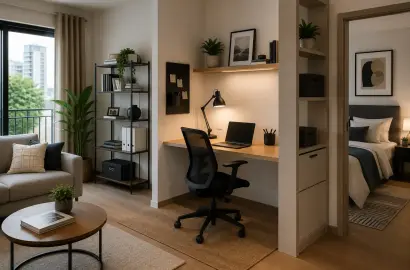
Remote and hybrid work have made a dedicated workspace a genuine necessity for many renters — but a one-bedroom apartment rarely comes with a spare room to convert into an office. The good news: with the right approach, you can...
 Ngong and Ongata Rongai: Nairobi's Southwestern Growth Corridor
  Gated Community Living: Is the Premium Worth It?
  Buying Property Through a SACCO: How It Works
  How to Handle a Dispute With Your Landlord or Tenant
  Kitengela: Why It's Attracting First-Time Buyers
Comments
0 approved commentsNo approved comments yet. Be the first to comment.