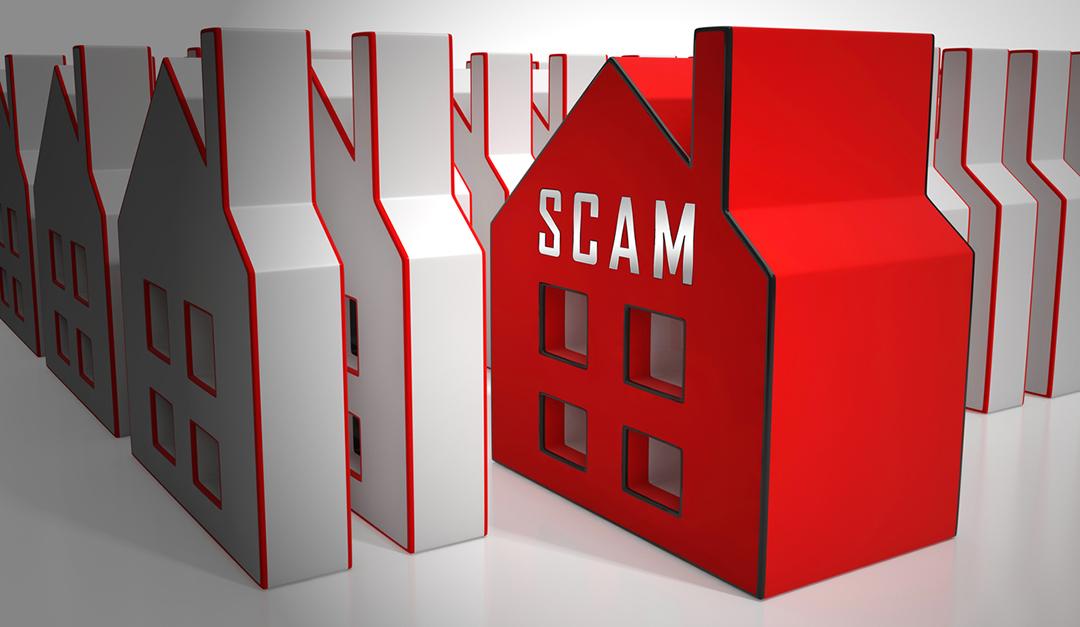
The Kenyan real estate market has seen significant growth in recent years, attracting both local and diaspora investors. However, alongside this growth has come a rise in real estate scams, with many unsuspecting buyers and renters losing millions of shillings to fraudsters posing as agents, developers, or landowners.
Whether you're planning to buy land, invest in an apartment, or rent a house, it’s critical to protect yourself by knowing the warning signs of fraud and how to carry out proper due diligence.
Here’s a practical guide on how to avoid real estate scams in Kenya.
1. ✅ Always Verify the Ownership of the Property
Before committing to any payment or agreement:
Ask for a copy of the title deed
Cross-check ownership details at the Ministry of Lands or via the ArdhiSasa platform (https://ardhisasa.lands.go.ke)
Confirm that the name on the title matches the person or company claiming to sell or lease
Tip: Be extra cautious if the seller claims the property is under “process” or “joint ownership” but cannot provide original documentation.
2. 🕵️♂️ Conduct a Land Search and Site Visit
A land search will reveal:
The real owner
Any charges, caveats, or disputes attached to the property
Meanwhile, visiting the property physically helps you:
Confirm its existence
Verify beacons or boundaries
Check for encroachments, illegal tenants, or multiple claimants
Avoid paying for land or property you haven’t seen in person.
3. 🧾 Work with a Licensed Real Estate Agent or Advocate
Many scams happen through unregistered agents or fake “consultants.” To stay safe:
Use agents who are members of the Estate Agents Registration Board (EARB)
Hire a lawyer to review all sale agreements, lease contracts, and transfer documents
Avoid cash payments—opt for bank transfers to traceable accounts
Red flag: Agents who pressure you to pay “urgently” or sign documents without time to review them are often fraudsters.
4. 📄 Insist on a Written Agreement
Whether you're buying land or renting a house, never rely on verbal promises.
Ensure the agreement:
Clearly outlines the buyer/seller or landlord/tenant roles
States the total price or rent, payment timelines, penalties, and refund clauses
Is signed in the presence of a lawyer or certified witness
If the seller avoids paperwork or delays the agreement, walk away.
5. 🚩 Beware of Unrealistic Prices or Promises
Scammers often use “too good to be true” deals to lure unsuspecting buyers or tenants.
Examples include:
Prime land offered at suspiciously low prices
Apartments in Nairobi listed for 50% below market rate
Promises of “guaranteed rent returns” without proven track records
Do a price comparison using platforms like BuyRentKenya, Property24, or local agents before committing.
6. 🔐 Avoid Paying Money Before Due Diligence
Scammers may ask for:
Viewing fees
“Booking” or “reservation” fees
“Commitment” deposits before legal checks are done
Always perform a title search, site visit, and legal verification before paying any amount. A small fee to a lawyer or licensed agent can save you from a major loss.
7. 🏗️ Be Careful with Off-Plan Developments
Off-plan purchases (buying property before construction begins) are common in Kenya—but they’re also risky.
Before investing:
Check the developer’s past projects
Ask for approvals from NEMA, NCA, and county government
Confirm the developer owns the land and has valid permits
Read the contract terms carefully—look out for vague timelines and refund policies
Tip: Don’t pay more than the deposit until clear milestones are met.
8. 🌐 Use Trusted Platforms and Referrals
Only search for property using:
Well-known online platforms like Masion, BuyRentKenya, Jiji (verified accounts), or reputable agency websites
Referrals from friends, lawyers, or family who’ve successfully transacted in real estate
Be cautious of social media listings, especially on WhatsApp, Facebook, and Telegram—many scammers operate anonymously here.
9. 📍 Check for Land Zoning and Use Restrictions
Even if land is genuine, it might be:
Zoned for commercial/industrial use
Reserved for public utilities
Part of a riparian or forest zone
Visit the local county land office or NEMA to verify land use policies before you buy. Ignoring this step may lead to demolition or legal issues later.
10. 📞 Report Suspicious Activities
If you suspect a scam:
Report to the Directorate of Criminal Investigations (DCI)
Contact the Ministry of Lands Complaints Desk
Alert the Kenya Police or your local chief
This not only protects you but helps others avoid the same trap.
✅ Final Thoughts: Protect Your Investment
Real estate remains one of the best ways to build wealth in Kenya—but only if done wisely. From fake agents to forged title deeds, real estate scams are a real threat. By taking your time, working with licensed professionals, and verifying every detail, you can secure your dream home or investment without unnecessary risks.
Don’t rush. Verify. Protect your future.
A little more clarity
Frequently asked questions
What does this article cover?
The Kenyan real estate market has seen significant growth in recent years, attracting both local and diaspora investors. However, alongside this growth has come a rise in real estate scams, with many unsuspecting buyers and renters losing millions of shillings to fraudsters posing as agents, developers, or landowners.
How can I find properties related to my requirements?
Browse the property listings and filter by location, price, and property type. You can also use Request a Property to share your requirements and receive matching suggestions.
How can I ask about a property?
Open the property page to review its details and contact the listing agent using the enquiry options shown there. Confirm availability and arrange a viewing with the agent.
Join the conversation
Comments
Looking for a property?Get help with a request tailored to your location and budget.
No comments yet. Share a thought or ask a question above.