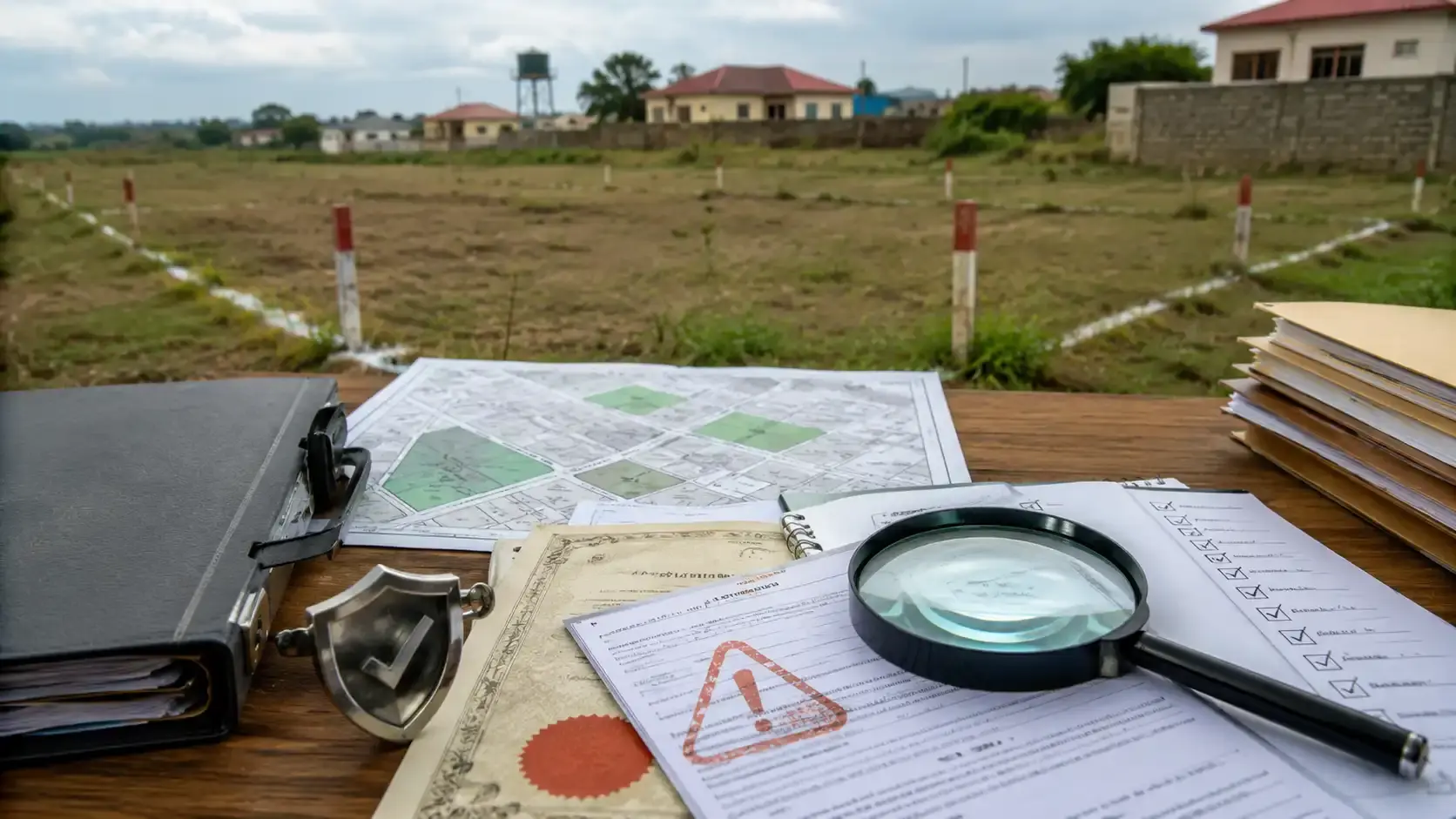
Land remains one of the most sought-after investments in Kenya — and unfortunately, one of the most targeted by fraudsters. Fake title deeds, double-sold plots, and non-existent land parcels have cost buyers millions of shillings over the years, often because a few simple checks were skipped in the excitement of "closing the deal."
The good news: land fraud almost always leaves warning signs. Here's how to spot them before you hand over a single shilling.
1. Pressure to Pay Quickly
Genuine sellers understand that land is a major investment and expect buyers to take reasonable time to verify documents. A major red flag is a seller or agent who pushes urgency — "other buyers are interested," "the price is only valid today," or discouraging you from doing a proper search before committing. Legitimate deals rarely require rushed decisions.
2. Reluctance to Provide Original Title Documents
A genuine seller should have no issue producing the original title deed for inspection, alongside their national ID. Be cautious of sellers who only provide photocopies, low-quality scans, or delay producing the original "until payment is made." This is one of the clearest signs something is wrong.
3. No Independent Land Search
A land search at the Ministry of Lands (or through the online Ardhisasa platform) confirms the true registered owner and reveals whether the land has any pending disputes, caveats, or existing charges against it. Never skip this step, and never rely solely on documents provided by the seller — conduct the search yourself or through your own lawyer, independently.
4. Price Significantly Below Market Value
If a parcel is priced dramatically lower than comparable land in the same area, treat it as a warning sign rather than a bargain. Fraudsters often use unrealistically low prices specifically to create urgency and discourage buyers from asking too many questions.
5. The Seller Isn't the Registered Owner — and Can't Explain Why
Sometimes land is legitimately sold by a family member, estate administrator, or agent on behalf of the owner. This is normal — but it must be backed by proper legal documentation: a valid power of attorney, letters of administration, or clear proof of authority to sell. Be very cautious if someone other than the registered owner is selling the land without a clear, verifiable legal basis for doing so.
6. No Verifiable Physical Address or Beacons
Genuine land should be physically identifiable — with visible beacons marking its boundaries and a location that matches the title deed description. Be wary of land that's difficult to physically locate, has no visible beacons, or where the seller is reluctant to walk the boundaries with you in person before purchase.
7. Unusually Complicated or Rushed Payment Arrangements
Be cautious of payment structures that route money to personal accounts rather than proper escrow arrangements, or that ask for large deposits before any documentation has been verified. A transparent transaction typically involves a lawyer, a clear payment structure, and safeguards like escrow until the transfer is properly registered.
8. No Survey Plan or Mismatched Details
Every legitimate parcel should have a survey plan that matches the details on the title deed — size, location, and boundaries. Discrepancies between what's on paper and what's on the ground are a serious red flag that should be investigated fully before proceeding.
How to Protect Yourself When Buying Land
- Always conduct an independent land search before making any payment
- Engage a qualified lawyer to review documents and guide the transaction
- Physically visit and inspect the land, ideally with a surveyor to confirm beacons match the title
- Verify the seller's identity against the registered owner on the title deed
- Use proper legal transfer processes rather than informal arrangements, even with people you trust
- Buy from verified, reputable platforms and agents who have already done initial due diligence on listed properties
Why Buying Through a Verified Platform Matters
Much of the risk in Kenya's land market comes from informal, unverified transactions — deals arranged through word-of-mouth or unverified brokers with no accountability. Buying through a platform that vets' listings and connects you with verified sellers and agents significantly reduces your exposure to these common fraud patterns.
Buy Verified Land Safely with Masion
At Masion, we list verified land parcels across Kenya, with the due diligence already built into our listing process. Whether you're looking to build, invest, or bank land for the future, we help connect you with sellers and properties you can trust.
Browse verified land listings today at masion.co.ke.
A little more clarity
Frequently asked questions
What does this article cover?
Land remains one of the most sought-after investments in Kenya — and unfortunately, one of the most targeted by fraudsters. Fake title deeds, double-sold plots, and non-existent land parcels have cost buyers millions of shillings over the years, often because a few simple checks were skipped in the excitement of "closing the deal."
How can I find properties related to my requirements?
Browse the property listings and filter by location, price, and property type. You can also use Request a Property to share your requirements and receive matching suggestions.
How can I ask about a property?
Open the property page to review its details and contact the listing agent using the enquiry options shown there. Confirm availability and arrange a viewing with the agent.


Join the conversation
Comments
Looking for a property?Get help with a request tailored to your location and budget.
No comments yet. Share a thought or ask a question above.