For landowners with capital and a plot in the right location, building rental units from scratch can generate significantly better long-term returns than buying an existing property to rent out — but it's also a considerably more complex, capital-intensive, and risk-laden undertaking. First-time developers frequently underestimate both the true cost and the timeline involved. Here's a realistic breakdown to help you plan properly before committing.
The Core Cost Categories
Building to rent involves considerably more than construction costs alone. A realistic budget needs to account for:
1. Land (If Not Already Owned)
For those starting from scratch, land cost varies enormously by location — from a few hundred thousand shillings for a plot in an emerging satellite town to tens of millions for a well-located urban parcel. If you already own the land, this cost is effectively sunk, but it's still worth factoring its market value into your overall return calculations.
2. Approvals and Pre-Construction Costs
Before breaking ground, budget for architectural design fees, structural engineering, county approval and permit fees, environmental impact assessment (where required for larger developments), and a proper land survey — collectively a meaningful cost that's easy to underestimate when focused primarily on the construction budget itself.
3. Construction Costs
This is the largest single cost category, and it varies significantly based on building type, finish quality, and location. As a general guide, construction costs are typically discussed on a per-square-foot or per-square-metre basis, with finish quality (basic, mid-range, premium) creating substantial variation even within the same building type. Always get several detailed quotes from reputable contractors rather than relying on a single estimate or rough rule-of-thumb figure.
4. Infrastructure and Utilities
Connecting water, electricity, and sewerage — particularly in areas without existing infrastructure nearby — can represent a significant, sometimes underestimated cost, especially for developments in emerging or peri-urban areas where utility connections aren't already established.
5. Finishing and Fittings
Flooring, fixtures, kitchen and bathroom fittings, doors, windows, and paint all add up considerably beyond the basic structural shell — and finish quality directly affects both your construction cost and the rental rate you can eventually charge.
6. Contingency Buffer
Experienced developers consistently recommend budgeting a contingency — commonly cited in the range of 10–20% of total project cost — for unexpected costs, price increases during construction, or unforeseen site conditions. First-time developers who skip this buffer are among the most common victims of cost overruns derailing a project's financial viability.
7. Financing Costs
If financing construction through a loan, interest costs accumulate throughout the build period, before any rental income begins offsetting them — a cost that's sometimes overlooked when developers focus primarily on the "sticker price" of construction itself.
A Realistic Timeline
Beyond cost, timeline realism matters enormously for financial planning:
- Planning and approvals: Several weeks to a few months, depending on county processing times and project complexity
- Construction: Typically several months to over a year, depending on building size and complexity
- Finishing and preparation for tenants: Additional weeks after core construction completes
First-time developers frequently underestimate total timeline, which has real financial consequences — every month of delay is a month without rental income, while financing costs and other carrying costs continue accumulating regardless.
Common Pitfalls First-Time Developers Face
1. Underestimating Total Cost
Focusing primarily on construction cost while underestimating approvals, infrastructure, finishing, and contingency needs is one of the most common — and most damaging — planning mistakes.
2. Choosing the Wrong Contractor
Selecting a contractor based purely on the lowest quote, without properly vetting their track record and reliability, frequently leads to quality issues, delays, or disputes that end up costing more than the initial savings.
3. Skipping Proper Market Research
Building units that don't match actual local rental demand — the wrong unit size, the wrong price point for the area, or amenities that don't match what local tenants actually value — can leave a completed development struggling to fill vacancies.
4. Inadequate Legal and Contractual Protection
Proceeding without proper construction contracts, clear payment milestones tied to verified progress, and appropriate legal guidance increases exposure to disputes, cost overruns, and quality issues throughout the build.
5. Poor Cash Flow Planning
Construction projects require capital in stages, and poor cash flow planning — running short partway through a build — can stall a project expensively, sometimes for extended periods while additional financing is arranged.
Calculating Realistic Return on Investment
Before committing, first-time developers should calculate:
- Total project cost (all categories above, including contingency)
- Realistic achievable rent for the specific location and unit type, based on genuinely comparable properties, not optimistic assumptions
- Expected gross rental yield (annual rental income divided by total project cost)
- Payback period — how many years of rental income it would take to recover the total investment
Comparing this realistic return against alternative investment options — buying an existing property to rent, or other investment vehicles — helps confirm whether building from scratch genuinely makes financial sense for your specific situation, or whether it simply feels more appealing without actually delivering superior returns.
Should First-Time Developers Start Small?
Given the learning curve and risk involved, many experienced developers recommend that first-time builders start with a smaller, more manageable project — a duplex or small apartment block rather than a large multi-unit development — to build genuine experience and a track record before scaling to larger, more capital-intensive projects.
Work With Verified Professionals Through Masion
Whether you're evaluating land for a build-to-rent project or looking for guidance on realistic costs in your target area, Masion lists verified land and can connect you with trusted professionals to help plan your development with confidence.
Browse land listings for development at masion.co.ke.
This article is for general informational purposes and does not constitute financial or construction advice. Always obtain detailed, current quotes from licensed professionals for your specific project.
FAQs
1. What percentage of my budget should be a contingency buffer? Experienced developers commonly recommend budgeting 10–20% of total project cost as a contingency, protecting against unexpected costs, price increases, or unforeseen site conditions during construction.
2. What's the biggest mistake first-time developers make? Underestimating total project cost by focusing primarily on construction costs while overlooking approvals, infrastructure, finishing, and contingency needs — this is consistently one of the most damaging planning errors.
3. Should I choose the cheapest contractor quote? Not necessarily — selecting purely on price without properly vetting a contractor's track record and reliability frequently leads to quality issues, delays, or disputes that cost more than the initial savings.
4. How do I know if building to rent will actually deliver better returns than buying an existing property? Calculate your total realistic project cost, expected achievable rent based on genuine local comparables, and resulting gross yield, then compare this against the returns available from buying an existing property in a similar location.
5. How long does a typical build-to-rent project take from start to finish? Timelines vary considerably based on project size and complexity, but planning and approvals alone can take several weeks to months, with construction typically taking several months to over a year for larger developments.
6. Should a first-time developer start with a large project or a smaller one? Many experienced developers recommend starting smaller — a duplex or small apartment block — to build genuine experience and a track record before taking on larger, more capital-intensive developments.
Related posts:
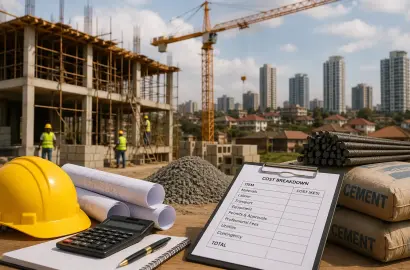
If you've priced out a construction project recently and the numbers came back higher than you expected, you're not imagining it. Kenya's construction costs jumped sharply in the second quarter of 2026 — the steepest quarterly increase in nearly four...

Buying property jointly — with a spouse, sibling, friend, or business partner — is increasingly common in Kenya, often as a way to pool resources and afford a property that would be out of reach individually. But joint ownership carries...
 Ngong and Ongata Rongai: Nairobi's Southwestern Growth Corridor
  Gated Community Living: Is the Premium Worth It?
  Buying Property Through a SACCO: How It Works
  How to Handle a Dispute With Your Landlord or Tenant
  Kitengela: Why It's Attracting First-Time Buyers
Comments
0 approved commentsNo approved comments yet. Be the first to comment.