In 2026, tenant expectations are shifting. Premium tenants — whether multinational corporations, boutique hotels, expatriate professionals, or environmentally conscious families — increasingly demand properties that do more than offer space. They want developments that conserve resources, cut costs, and promote healthy living.
At the forefront of this trend are solar-integrated buildings and water-recycling systems. When thoughtfully implemented, these technologies enhance operational performance and tenant appeal, commanding higher rents, boosting occupancy, and future-proofing the asset.
This guide dives deep into what these systems are, how they work, and why they matter for modern real estate investors and developers.
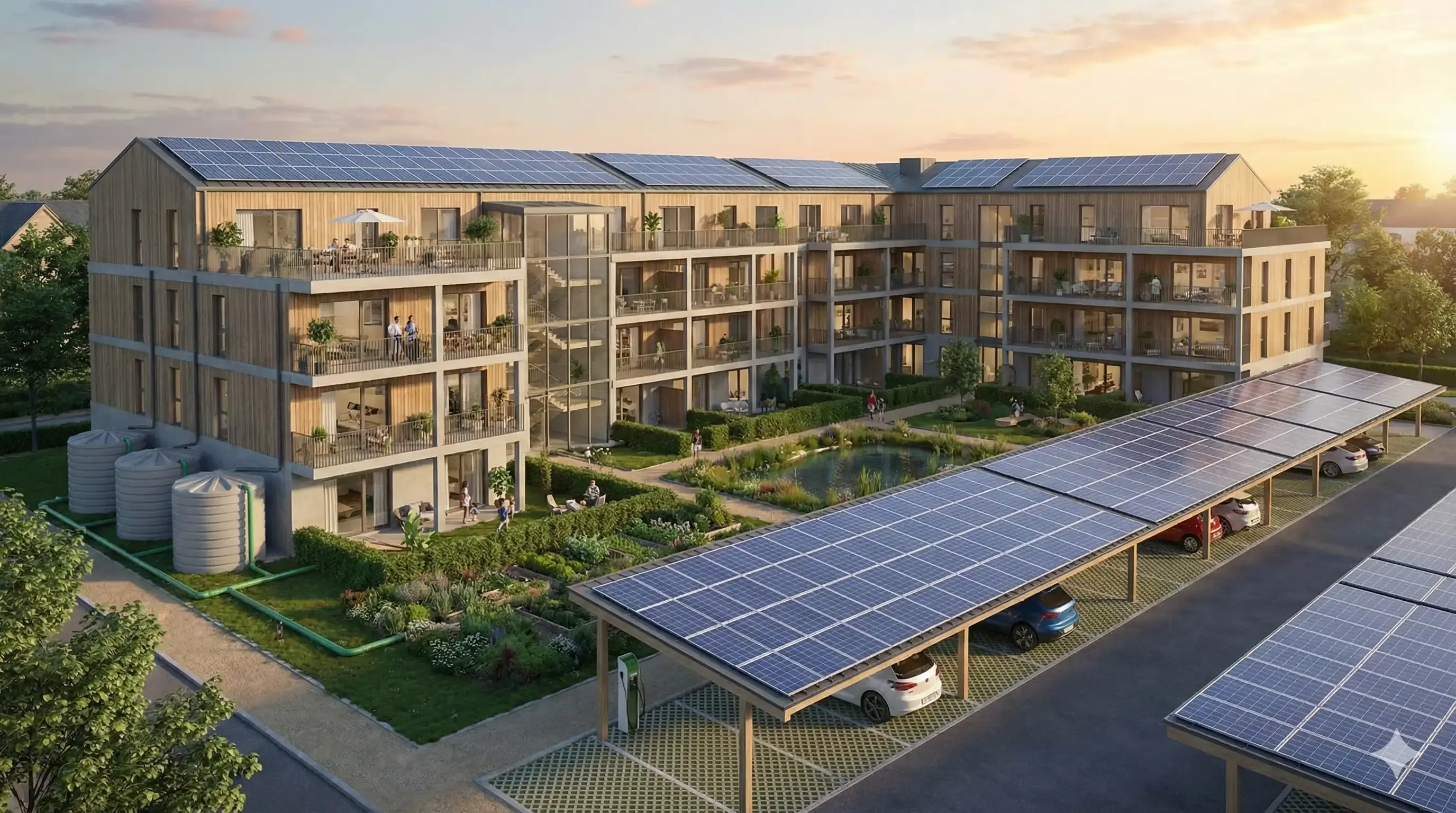
Why Sustainability Sells: The Premium Tenant Mindset
1. Cost Efficiency Matters
Solar power and water recycling help reduce utility costs — a strong selling point for tenants who pay their own bills or expect stable operating expenses in commercial contracts.
Electricity savings: On-site solar generation significantly lowers reliance on grid power and can shield tenants from tariff volatility.
Reduced water bills: Recycling water for landscaping, flushing, and cooling can cut utility bills by a large margin, especially in high-use developments.
2. Corporate Social Responsibility (CSR)
Many organizations — especially global firms, tech companies, and eco-brands — have internal sustainability targets that influence office and retail leases. A green building helps them reach those goals while demonstrating leadership to stakeholders.
3. Regulatory & Incentive Trends
Governments are increasingly offering incentives — from tax breaks to expedited planning approvals — for sustainable developments. Developers who build now may benefit long-term from policy advantages.
4. Health & Well-Being
Sustainable design often aligns with improved tenant comfort: natural lighting, improved indoor air quality, and green spaces all contribute to healthier, more productive environments.
Understanding Solar-Integrated Developments
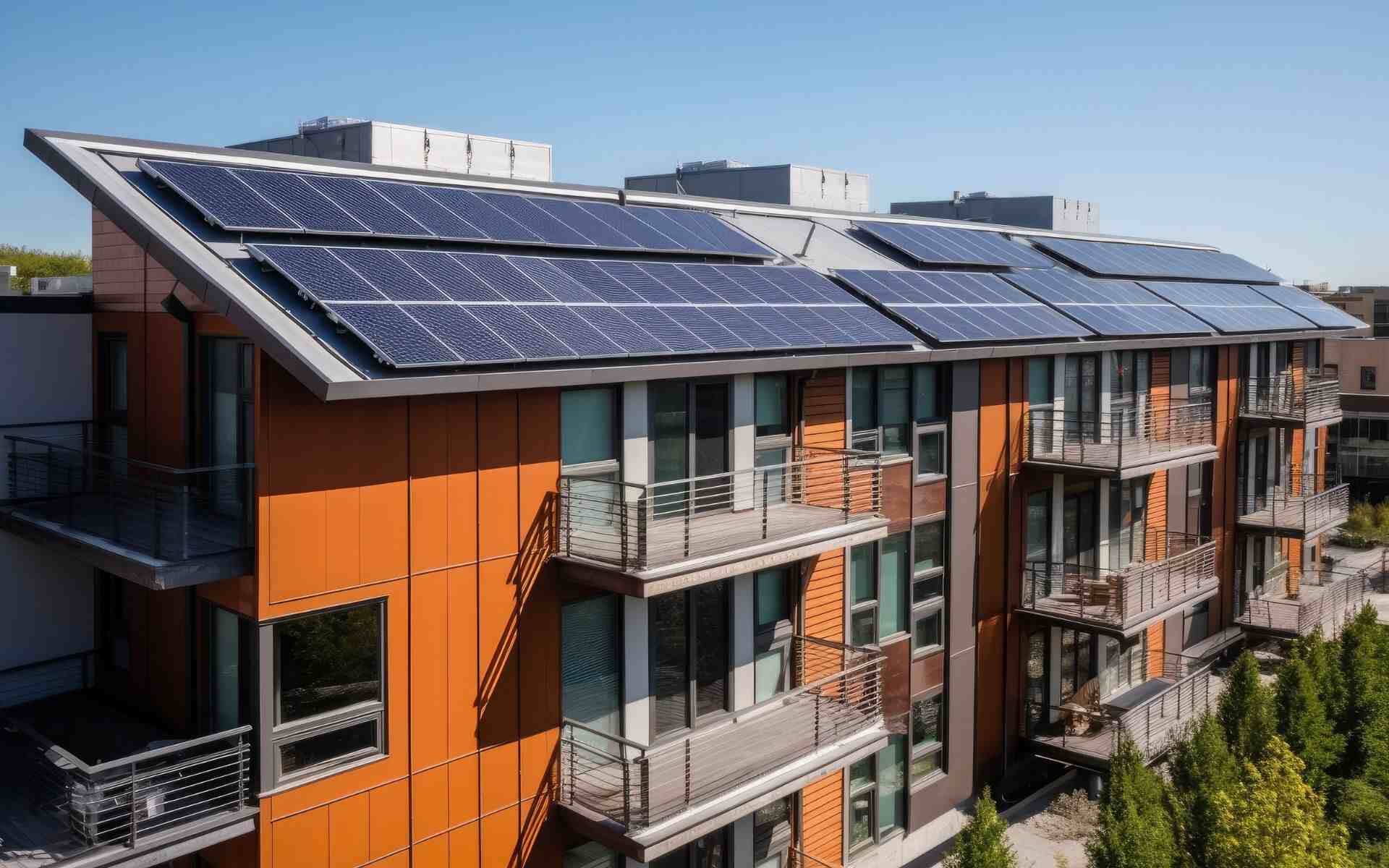
What Does “Solar-Integrated” Mean?
Solar-integrated buildings utilize photovoltaic (PV) systems that convert sunlight into electricity used on-site. These systems can be:
Grid-connected with net metering — surplus power fed back to the grid
Battery-assisted — stores energy for night/time of peak demand
Off-grid capable — ideal for locations with unreliable power
Key Benefits
✔ Lower Operational Costs: Reduced electricity consumption from the grid translates to lower tenant utility fees or managed operational expenses.
✔ Green Brand Appeal: Buildings with visible sustainability features enhance reputation and help tenants market themselves as responsible tenants.
✔ Resilience: Solar reduces exposure to power outages and energy price hikes.
Practical Considerations for Developers
Orientation & rooftop space: Maximizing sun exposure improves output.
Battery sizing: Align battery capacity with tenant demand patterns.
Maintenance planning: Solar assets need regular cleaning and inspection.
Water-Recycling Systems Explained

Types of Water-Recycling Technologies
1. Rainwater Harvesting
Collects and stores rainwater for non-potable uses like irrigation, toilet flushing, and cleaning common areas.
2. Greywater Recycling
Captures water from showers, bathroom sinks, and laundry, then treats it for reuse in flushing and landscaping.
3. Blackwater Treatment (Advanced)
When treated thoroughly, wastewater can be safely reused for irrigation and industrial cleaning applications.
Benefits for Premium Tenants
Lower reliance on municipal supply
Improved drought resilience
Positive environmental messaging
Potential utility rebates or compliance credits
Design & Operational Essentials
Filtration & sanitation: Proper treatment ensures health safety and regulatory compliance.
Storage capacity: Adequate tanks minimize service interruptions.
Smart monitoring: IoT sensors can track quality and volumes in real time.
Why These Features Command Premium Rents
1. Lower Total Cost of Occupancy (TCO)
Tenants are willing to pay higher rents when they know total ongoing expenses are lower — especially in commercial leases where electricity and water weigh heavily on operating statements.
2. ESG & Tenant Attraction
High environmental, social, and governance (ESG) scores are now part of many corporate tenancy decisions. Solar and water recycling improve ESG credentials and appeal to organizations with sustainability mandates.
3. Tenant Retention
Comfortable, efficient buildings keep tenants longer. Reduced utility surprises, reliable power, and continuous water supply create a dependable, attractive environment.
Real-World Case Studies (Illustrative)
Urban Mixed-Use Tower
A Nairobi mixed-used development installed:
✔ Rooftop solar generating 40% of building power
✔ Battery storage to support evening usage
✔ Greywater reuse for landscaping and toilets
Outcome:
• 15% higher average rents
• 98% occupancy
• Lowered utility costs passed partly to tenants without losing competitiveness
Premium Office Campus
A multi-block office park integrated:
✔ 100% rainwater harvesting
✔ Advanced greywater treatment
✔ Smart building analytics
Outcome:
• Attracted multinational tenants
• ESG marketing boosted brand appeal
• Substantial long-term operational savings
How to Design for Sustainability Success
Step 1 — Conduct a Baseline Audit
Assess current energy and water usage to set realistic targets.
Step 2 — Integrate During Design
Early planning for solar orientation, water storage, and waste capture improves performance and lowers retrofit cost risk.
Step 3 — Use Smart Tech
Energy management systems (EMS) and water sensors optimize performance and alert to issues.
Step 4 — Market the Value
Emphasize sustainability in property listings, lease negotiations, and tenant onboarding. Include projected cost savings, carbon reductions, and comfort benefits.
Overcoming Common Challenges
| Challenge | Solution |
|---|---|
| Higher upfront costs | Long-term ROI models and green financing incentives |
| Technical complexity | Partner with experienced renewable and wastewater engineers |
| Tenant education | Provide dashboards and usage reports to demonstrate value |
| Maintenance concerns | Service contracts with performance guarantees |
Solar-integrated and water-recycling developments are more than sustainability statements — they are strategic differentiators that attract premium tenants, enhance property value, and strengthen long-term financial performance.
For investors and developers, now is the time to adopt these systems as standard practice. The future of real estate is efficient, resilient, and sustainable — and tenants are already voting with their leases.
Related posts:
Gated communities have become one of the defining features of Kenya's growing satellite towns and premium suburbs alike — offering shared security, amenities, and a managed environment in exchange for a genuine price premium over comparable standalone properties.

For many Kenyans, the biggest obstacle to owning property isn't willingness — it's raising a lump sum upfront. SACCOs (Savings and Credit Cooperative Organizations) have become one of the most accessible ways around this problem, offering both structured savings-based housing...
 Ngong and Ongata Rongai: Nairobi's Southwestern Growth Corridor
  Gated Community Living: Is the Premium Worth It?
  Buying Property Through a SACCO: How It Works
  How to Handle a Dispute With Your Landlord or Tenant
  Kitengela: Why It's Attracting First-Time Buyers
Comments
0 approved commentsNo approved comments yet. Be the first to comment.