Kenya's real estate sector has experienced remarkable growth over the past two decades, becoming one of the most vibrant and dynamic industries in East Africa. Despite global economic shifts and local challenges, the demand for quality housing, commercial spaces, and investment properties continues to rise.
As we step deeper into 2025 and look ahead, several emerging trends are set to shape the future of real estate in Kenya. Whether you're an investor, homebuyer, developer, or tenant, staying informed about these trends will help you make smarter real estate decisions.
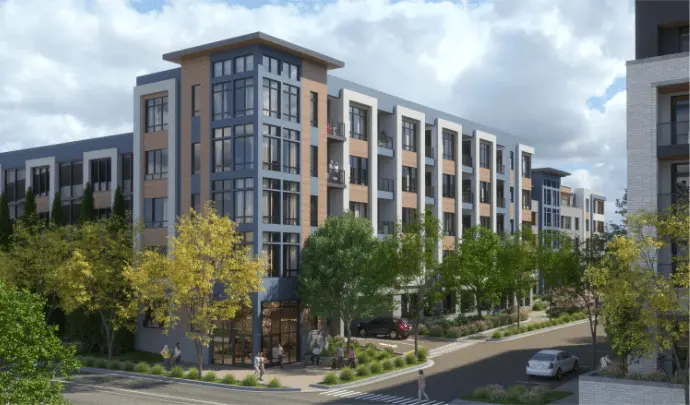
🌍 1. Rise of Affordable Housing Initiatives
The Kenyan government’s commitment to Affordable Housing under the Big Four Agenda continues to drive large-scale projects aimed at middle and low-income earners.
Key highlights:
Government-backed housing projects in Nairobi, Kiambu, Machakos, and Mombasa.
Private developers partnering with SACCOs and banks to finance low-cost housing.
Increased demand for units priced between Ksh 1.5M – Ksh 5M.
👉 This trend is expected to dominate urban and peri-urban centers where population growth is highest.
🏗 2. Growth of Mixed-Use Developments (MUDs)
The future is integrated living spaces where residential, commercial, and retail spaces coexist.
Notable examples:
Two Rivers Mall complex in Nairobi.
Garden City along Thika Road.
These developments offer convenience, security, and lifestyle amenities in one location—appealing especially to Kenya’s rising urban middle class.
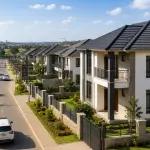
🏘 3. Gated Communities & Own Compound Homes on the Rise
As urban congestion worsens, more Kenyans are seeking:
Gated communities with security, shared amenities, and controlled access.
Own compound houses in satellite towns like Kitengela, Syokimau, Ruiru, Juja, and Ngong.
With better roads and infrastructure development, many are choosing to live farther from city centers without compromising on quality of life.
💻 4. Technology & Digital Transformation
Technology is transforming how Kenyans buy, sell, and manage properties:
Online real estate platforms like Masion.co.ke are making house-hunting easier.
Virtual tours, 3D walkthroughs, and drone photography are becoming common.
Blockchain and PropTech are slowly entering the market to enhance transparency in transactions.
The real estate industry is becoming more data-driven, customer-focused, and digitally accessible.
🌿 5. Green Buildings & Sustainability
Sustainability is no longer a luxury—it’s becoming a necessity. Eco-conscious developments are gaining traction:
Solar-powered homes.
Rainwater harvesting systems.
Energy-efficient designs.
Waste management systems.
As more Kenyans become environmentally aware, green-certified buildings are expected to gain a competitive edge.
🏡 6. Shift Towards Smaller, Flexible Living Spaces
Changing lifestyles, rising land costs, and urban population growth are driving demand for:
Studios and one-bedroom apartments.
Serviced apartments for short-term stays.
Co-living spaces for young professionals.
This trend is particularly strong in Nairobi’s emerging hubs such as Westlands, Kilimani, Ruaka, and Upperhill.
🌐 7. Diaspora Investment Surge
Kenyans living abroad are increasingly investing in local real estate for:
Passive income through rentals.
Retirement homes.
Land banking.
Developers are now offering tailored packages for diaspora clients, including online payment options, remote property management, and virtual consultations.
💼 8. Real Estate as an Investment Class
With the volatility of stock markets and currency devaluations, many Kenyans are turning to real estate as a stable investment vehicle:
Rental apartments for passive income.
Plots for land appreciation.
Commercial spaces in fast-growing urban areas.
The growth of Real Estate Investment Trusts (REITs) in Kenya also allows smaller investors to access property markets without direct ownership.
🚗 9. Infrastructure-Driven Hotspots
Infrastructure development remains a key catalyst for real estate growth:
Nairobi Expressway spurring growth along Mombasa Road, Syokimau, and Athi River.
Eastern and Western Bypasses opening up new investment corridors.
Expansion of commuter rail lines and airports creating new demand for housing and retail.
📈 10. The Demand for Property Management Services
With more rental units coming up, professional property management services are on the rise to help landlords:
Collect rent.
Handle maintenance.
Screen tenants.
This is creating new business opportunities within the real estate ecosystem.
🔮 What Does This Mean for You?
For Homebuyers:
Expect more affordable housing options and smarter homes.
Consider satellite towns for better value.
For Investors:
Mixed-use developments, short-stay apartments, and land near infrastructure projects offer strong returns.
For Tenants:
More choice, better amenities, and improved living standards.
The future of real estate in Kenya is bright, innovative, and fast-changing. As the market evolves, those who stay informed and agile will have the upper hand—whether you're buying your first home, investing for the long term, or simply looking for a better place to live.
At Masion Properties, we’re here to help you navigate this exciting market with expert advice and tailored property listings that meet your needs.
Related posts:
If you've priced out a construction project recently and the numbers came back higher than you expected, you're not imagining it. Kenya's construction costs jumped sharply in the second quarter of 2026 — the steepest quarterly increase in nearly four...
For landowners with capital and a plot in the right location, building rental units from scratch can generate significantly better long-term returns than buying an existing property to rent out — but it's also a considerably more complex, capital-intensive, and...
 Ngong and Ongata Rongai: Nairobi's Southwestern Growth Corridor
  Gated Community Living: Is the Premium Worth It?
  Buying Property Through a SACCO: How It Works
  How to Handle a Dispute With Your Landlord or Tenant
  Kitengela: Why It's Attracting First-Time Buyers
Comments
0 approved commentsNo approved comments yet. Be the first to comment.